If there’s one thing every home has in common, it’s this — the floor takes all the hits. Footprints, food crumbs, muddy shoes, spilled tea, and that one mysterious sticky spot no one ever admits to creating. Keeping floors clean sounds simple, but doing it the right way can actually make your home feel calmer, fresher, and so much more welcoming. So if you’ve ever wondered How to Clean Floor properly without turning it into a full-blown workout session, this is your guide.
Cleaning isn’t just about scrubbing; it’s also about knowing your surfaces, using the right tools, and following a workflow that saves you effort instead of adding more. Let’s break it down — simply, practically, and in pure human language.
Start by Decluttering The Secret Step People Skip
Before you grab a broom or switch on your vacuum, take two minutes to clear the battlefield. Shoes lying around? Move them. Cushions on the floor because someone had a Netflix nap? Pick them up. Kids’ toys acting like landmines? Shift them aside.
This tiny step speeds up the entire cleaning process because you’re not stopping every few seconds to navigate around obstacles. Think of it as clearing the runway before takeoff.
Dry Cleaning Comes First Always
A lot of people jump straight to mopping, which just creates muddy streaks. The golden rule is simple:
Dry before wet.
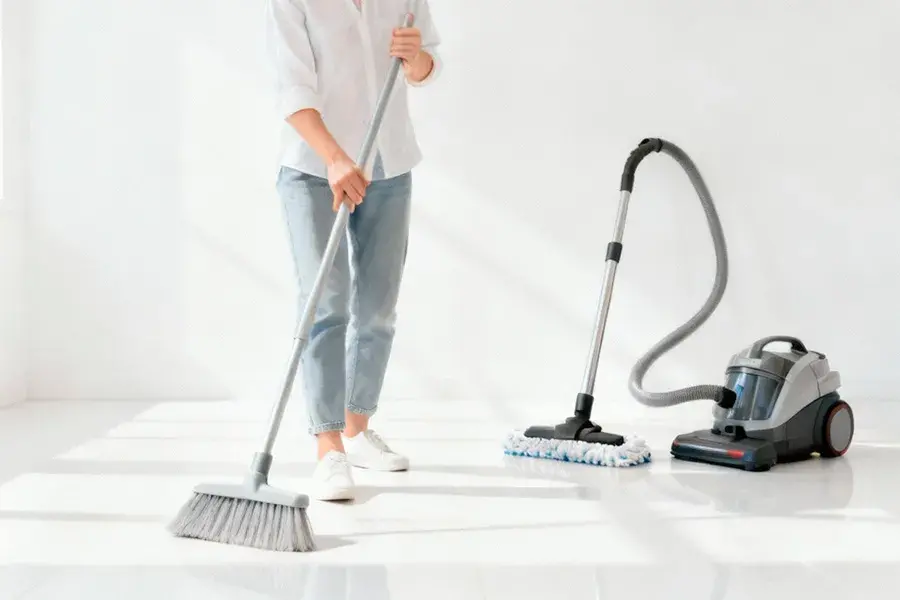
Depending on your floor type, you can:
- Sweep with a soft broom
- Vacuum (great for dust, hair, and small particles)
- Use a dust mop for quicker coverage
You’re basically removing the dust layer that’s sitting on top. Once that’s gone, your wet cleaning will actually clean instead of smear.
Understand Your Floor Type (This Actually Matters)
Not all floors are built the same. And yes, they need different kinds of care.
1. Tiles
These are the easiest. They survive moisture, heat, spills basically everything. But the grout lines collect dirt fast. A mild cleaning solution works, but once in a while, scrub the grout gently.
2. Marble
Elegant but moody. Marble hates harsh chemicals. Anything acidic — lemon, vinegar, strong cleaners can dull the shine. Use a pH-neutral cleaner and soft mops only.
3. Wooden Floors
Warm, classy, and sensitive. Too much water can make them swell. Use a slightly damp mop, never wet, and avoid abrasive pads.
4. Vinyl or Laminate
These floors are low-maintenance. Almost any gentle cleaner works, but avoid super hot water.
When you know your floor, you avoid damaging it simple as that.
Choosing the Right Cleaning Solution
Most mistakes happen here. People think “stronger cleaner = cleaner floor,” but that’s rarely true. In fact, strong chemical smells don’t equal hygiene.
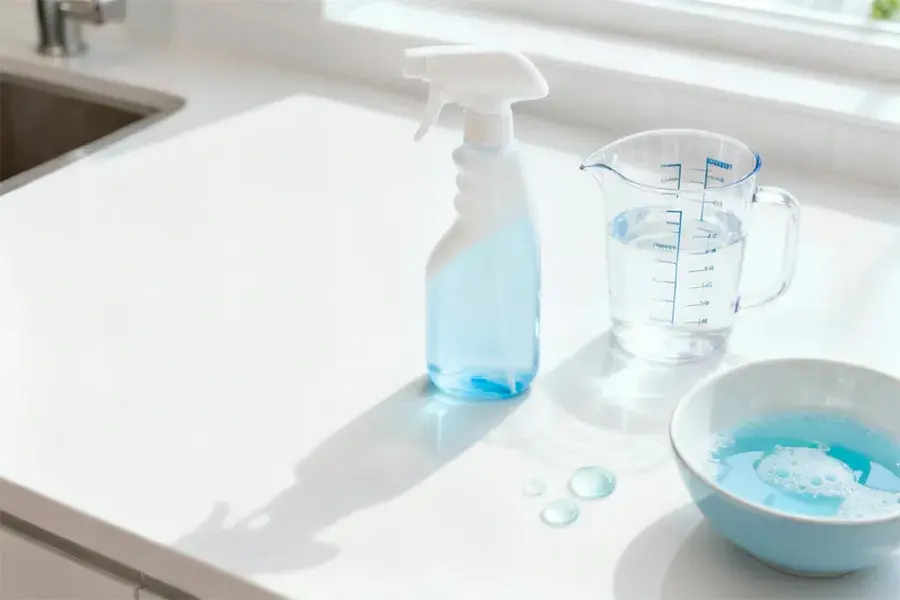
Here’s a safe, universal method:
- Mix warm water with a mild floor cleaner
- Avoid bleach unless absolutely necessary
- Don’t overdo the soap it leaves a residue that attracts more dust
If you prefer DIY:
- A few drops of dish soap in water works for most floors
- Add essential oils (like lemon or lavender) for fragrance
Remember, gentle cleaning done consistently beats heavy cleaning done rarely.
Now Let’s Talk About the Actual Mopping
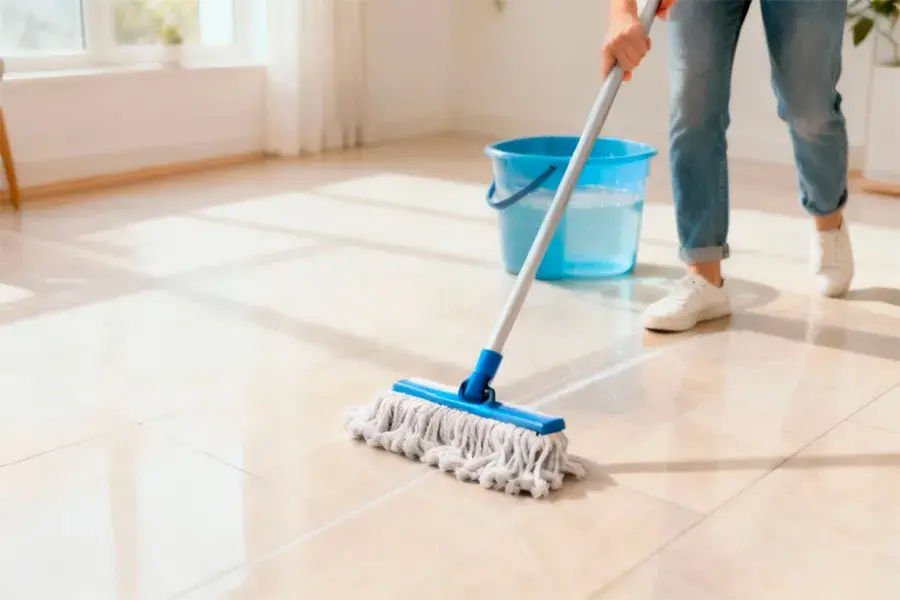
You’ll hear a lot about fancy methods, but when it comes to how to mop a floor, the formula is beautifully simple:
- Dip the mop
- Wring it well
- Clean in small sections
- Rinse the mop frequently
- Change water when it looks dirty
That’s it.
A big mistake people make is using a soaking-wet mop. That just spreads dirty water around. A properly wrung-out mop actually pulls dirt off the surface instead of pushing it around.
Also, mop in one direction instead of random zigzags. Think of it like painting the floor with cleanliness.
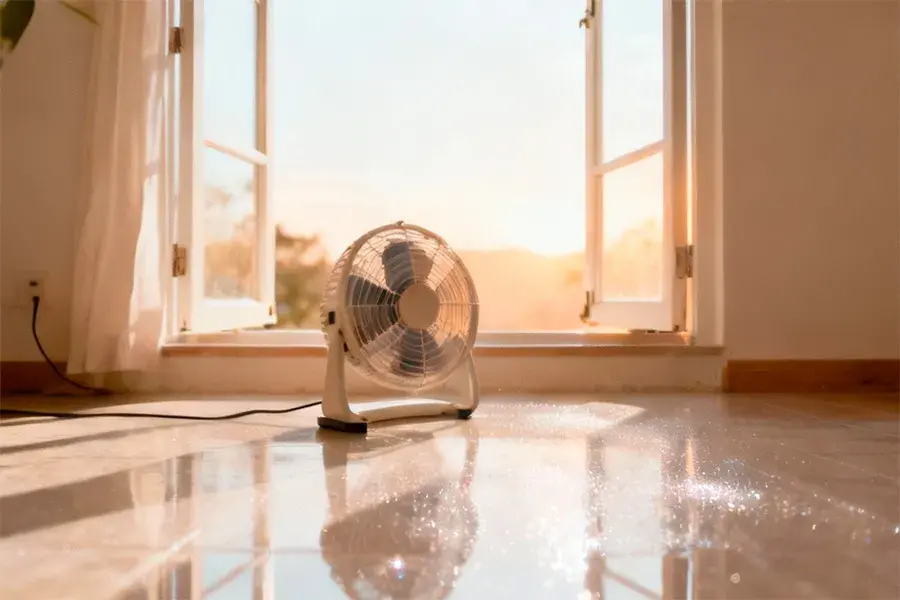
Don’t Rush the Drying
This is where patience pays off. Once you finish mopping, let the floor breathe. Keep fans on or windows open. Walking on a wet floor does two things:
- Leaves footprints
- Transfers dirt from your feet back onto the surface
Drying only takes a few minutes, and the result is a spotless, streak-free finish. Worth it.
Deep Cleaning — But Make It Simple
You don’t need to deep clean every day. Once a week (or twice a month, if your home stays tidy) is perfect. Deep cleaning includes:
- Moving furniture slightly
- Cleaning corners properly
- Scrubbing stubborn stains
- Treating grout or wooden polish if needed
These extra touches add years to your floor’s life.
Small Habits That Keep Floors Cleaner Without Extra Work
Here’s the magic part — clean floors aren’t just about cleaning, they’re about preventing.
- Use doormats at entrances
- Keep a shoe rack to limit dirt inside
- Wipe spills immediately
- Keep pets’ paws clean after outdoor walks
- Do a quick dry sweep every evening (takes 2 minutes, saves 20 minutes later)
Your home stays effortlessly cleaner with consistent micro-habits.
Why Clean Floors Matter More Than You Think
A clean floor does more than make a house look nice. It:
- Reduces allergens
- Makes the home feel calmer
- Prevents stains and damage
- Creates a healthier living environment
- Impresses guests without you trying
Your floor is the biggest surface in your home — when it looks good, the whole home feels good.
Final Thoughts
Learning How to Clean Floor properly isn’t about perfection. It’s about simple routines that make your living space easier to maintain. Whether you’re handling marble, tile, wood, or laminate, the right technique makes cleaning faster and more satisfying.
And when you master how to mop a floor efficiently, you’ll notice your home stays fresher for longer with half the effort.
Clean floors aren’t just about hygiene — they’re about harmony. And when your space feels good, you feel good too.