
Sponge for Scrubbing: The Perfect Kitchen Partner for Tough Grease and Daily Dish Cleaning
-
Posted by
homebud
Dishwashing is a daily kitchen task, but the right cleaning tool can make a huge difference.
A normal sponge may clean light dirt, but removing:
- Oil stains
- Greasy residue
- Burnt food marks
- Stubborn particles
requires a better solution.
At the same time, a scrubber that is too harsh can damage delicate surfaces and make daily cleaning difficult.
This is why choosing the right sponge for scrubbing is important.
A good kitchen scrub sponge should provide the perfect balance of:
- Strong grease removal
- Gentle surface cleaning
- Better foam retention
- Comfortable handling
Modern multi-layer sponge scrubbers are designed to handle tough kitchen mess while remaining suitable for everyday dishwashing.
What Is a Sponge for Scrubbing?
A sponge for scrubbing is a kitchen cleaning accessory designed to remove food residue, grease, and stains from utensils and surfaces.
Unlike basic cleaning pads, modern scrub sponges combine different materials to provide better cleaning performance.
A quality sponge scrubber for kitchen use generally includes:
- Soft foam layer
- Scrubbing layer
- Absorbent sponge structure
This combination helps clean effectively without requiring excessive effort.
Why Do You Need a Good Kitchen Scrub Sponge?
Every kitchen has different cleaning challenges.
Daily dishwashing includes:
- Plates with food residue
- Greasy pans
- Oil-covered utensils
- Cooking vessels with stains
Using the wrong scrubber can create problems.
A weak sponge may not remove grease properly, while a harsh scrubber may scratch sensitive surfaces.
The right scrubbing sponge for dishes helps provide effective cleaning while protecting your utensils.
Benefits of Using a Multi-Layer Sponge Scrubber
1. Powerful Grease Cleaning
One of the biggest advantages of a quality scrub sponge is its ability to handle grease.
It helps clean:
- Oily utensils
- Cooking pans
- Steel vessels
- Plates
The scrubbing surface works on tough residue while the sponge structure supports regular washing.
2. 3-Layer Design for Better Cleaning
A 3-layer sponge provides multiple cleaning benefits in one product.
Each layer contributes differently:
Scrubbing Layer
Helps remove:
- Tough stains
- Grease buildup
- Stuck food particles
Foam Layer
Helps:
- Absorb water
- Create foam
- Spread detergent effectively
Soft Cleaning Layer
Helps with:
- Regular dishwashing
- Gentle cleaning
- Everyday utensils
This layered design creates a balanced cleaning experience.
Dual-Sided Sponge: One Tool for Different Cleaning Needs
A dual-sided sponge is practical because both sides serve different purposes.
Scrub Side
Useful for:
- Heavy grease
- Stubborn residue
- Tough cleaning jobs
Soft Sponge Side
Suitable for:
- Daily dishes
- Delicate surfaces
- Regular washing
This makes it easier to clean different utensils without switching between multiple cleaning tools.
Why Foam Retention Matters in a Scrubbing Sponge
A good sponge should not waste detergent quickly.
A layered sponge structure helps retain dishwashing foam inside the sponge.
Benefits include:
- Better detergent utilisation
- Longer-lasting lather
- Efficient cleaning
Instead of repeatedly adding detergent, a quality sponge helps maximise every wash cycle.
Non-Scratch Cleaning for Everyday Utensils
Strong cleaning does not always mean harsh cleaning.
A good kitchen sponge should remove dirt while remaining gentle on suitable surfaces.
This is especially important for:
- Daily plates
- Bowls
- Glassware
- Sensitive cookware
A balanced sponge provides:
Tough cleaning power + gentle handling
Sponge for Scrubbing Different Kitchen Surfaces
Different utensils need different cleaning approaches.
Stainless Steel Utensils
Steel utensils often collect:
- Oil residue
- Burnt marks
- Food stains
A scrubbing sponge helps remove stubborn buildup.
Non-Stick Cookware
Non-stick surfaces require gentler cleaning.
Use the soft sponge side and avoid excessive pressure.
Everyday Plates and Bowls
A soft foam side helps clean regular dishes comfortably.
How to Choose the Best Sponge Scrubber for Kitchen
Before buying a kitchen sponge, consider these factors:
1. Cleaning Performance
A good sponge should handle:
- Grease
- Food residue
- Daily stains
2. Surface Safety
Look for a sponge that provides effective cleaning without unnecessary scratching.
3. Foam Retention
A sponge that holds foam better can improve detergent efficiency.
4. Durability
A daily-use sponge should maintain its structure through regular washing.
5. Comfortable Handling
Dishwashing involves repeated hand movement.
A good sponge should be:
- Easy to grip
- Comfortable to use
- Suitable for daily cleaning
How to Use a Dish Scrubber Properly
Using the correct method improves cleaning results.
Step 1: Apply Water and Detergent
Create enough foam before scrubbing.
Step 2: Select the Correct Side
Use:
- Scrub side for grease and stains
- Soft side for regular cleaning
Step 3: Avoid Excessive Pressure
Allow the sponge design to do the work.
Step 4: Rinse After Use
Remove detergent and food particles.
Step 5: Dry Properly
Keep the sponge in a clean, dry place.
Why a Layered Sponge Is Better Than a Regular Sponge
A basic sponge may only absorb water and detergent.
A layered sponge provides additional benefits:
- Better scrubbing ability
- Improved foam retention
- More cleaning flexibility
- Better handling of different utensils
This makes it more suitable for modern kitchens where one tool needs to handle multiple cleaning tasks.
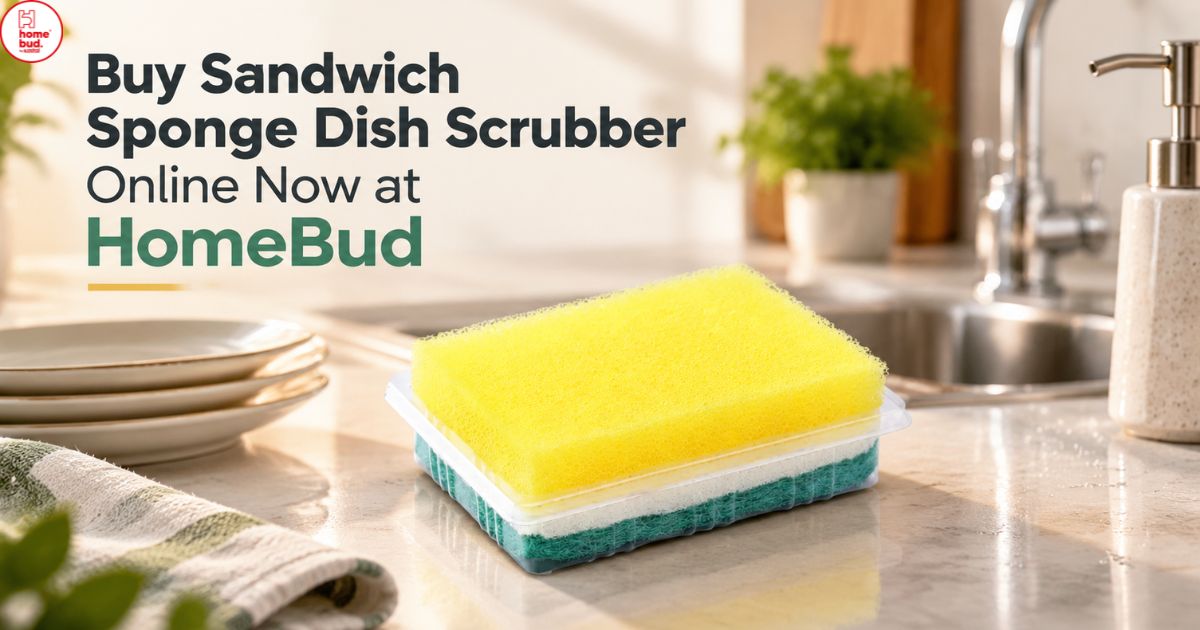
HomeBud Sandwich Sponge Scrub
For everyday kitchen cleaning, the Sandwich Sponge is designed to provide effective dishwashing performance.
It features:
- 3-layer construction
- Better foam retention
- Grease-cleaning ability
- Comfortable handling
The design helps tackle tough kitchen cleaning while remaining suitable for daily use.
How to Maintain Your Kitchen Sponge
To improve sponge life:
- Rinse thoroughly after every use.
- Remove food particles.
- Keep it in a dry place.
- Replace when worn out.
- Avoid storing it in standing water.
Proper maintenance helps maintain better cleaning performance.
Final Thoughts
The right sponge for scrubbing can make everyday dishwashing faster and easier.
A good kitchen scrub sponge should provide:
- Effective grease removal
- Gentle cleaning
- Better foam retention
- Comfortable handling
Instead of choosing a sponge that is only soft or only harsh, choose one that balances both cleaning power and surface care.
For daily kitchen cleaning needs, the Sandwich Sponge provides a practical solution for keeping utensils clean while making dishwashing more efficient.
FAQs About Sponge for Scrubbing
A multi-layer sponge with both scrubbing and soft cleaning surfaces is a practical choice because it handles grease while remaining suitable for daily dishwashing.
A soft sponge side is generally better for delicate surfaces. Avoid aggressive scrubbing on non-stick coatings.
They provide two cleaning options: one side for tough stains and another for gentle everyday cleaning.
A 3-layer sponge combines scrubbing, foam retention, and soft cleaning functions in one product.
A sponge designed for better foam retention can help maximise detergent usage during washing.
Replace your sponge when it loses its shape, cleaning ability, or starts showing signs of wear.