
Wiper

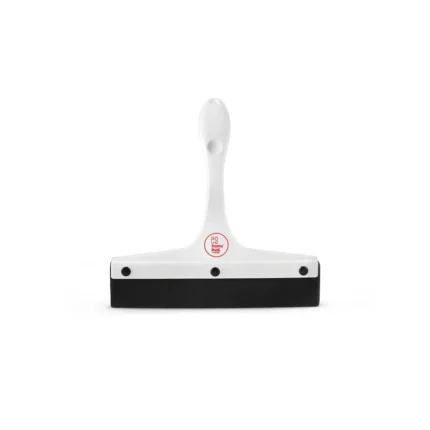
2 Pcs Broom + Kitchen Wiper Combo

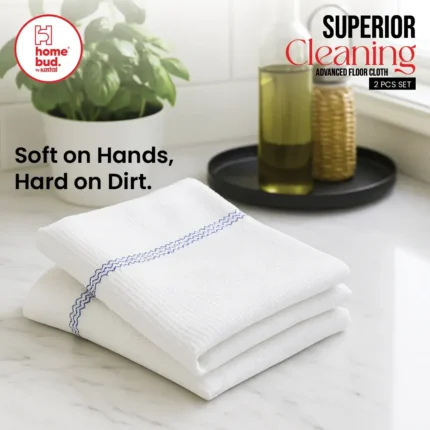
2 Pcs Broom + Superior Cleaning Advanced Floor Cloth Combo

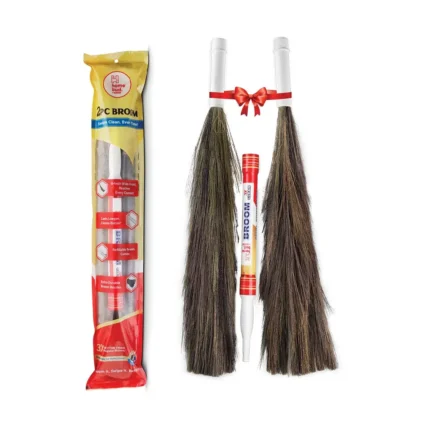
2 pcs Broom+WipeExpert Bathroom Wiper

Broom+WipeExpert Bathroom Wiper

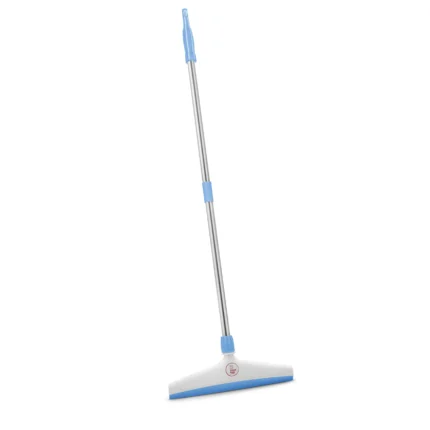
WipeExpert Bathroom Wiper + Superior Cleaning Advanced Floor Cloth Combo

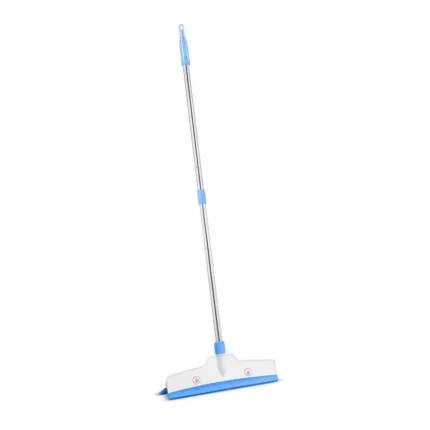
Wroom (Wiper + Broom) + Superior Cleaning Advanced Floor Cloth Combo
Floor Wiper for Home — Find the Right One for Your Bathroom and Kitchen
Every Indian home deals with wet floors daily. The bathroom after a shower. The kitchen after washing dishes. The balcony after a morning rinse. A good floor wiper handles all of it quickly, cleanly, and without leaving water streaks behind. A bad one pushes water around, falls apart within weeks, or leaves your tiles looking worse than before.
If you are a homemaker managing a full household, a working couple keeping the home tidy between busy days, or someone living alone who wants cleaning done fast and right — the floor wiper you choose makes a bigger difference than most people expect. This page brings together Homebud's full range of floor wipers so you can find exactly what your home needs, without the guesswork.
What Is a Floor Wiper and Why Every Indian Home Needs a Good One
A floor wiper — also called a floor squeegee, rubber wiper, or bathroom wiper — is a cleaning tool with a flat rubber or silicone blade attached to a handle, designed to push water across floor surfaces efficiently and collect it for removal. Unlike a mop that absorbs water, a wiper physically moves water to a drain or collection point, making it significantly faster for wet bathroom and kitchen floors.
In Indian homes, where bathrooms are wet-use spaces and kitchen floors face daily water splashes, a floor wiper is not optional — it is part of the daily cleaning routine. The difference between a good wiper and a poor one shows up in how long it takes to dry a floor, how cleanly it removes water without streaking, and how long the tool itself holds up under daily use.
The right floor wiper depends on three things: your floor surface, your bathroom or kitchen size, and how the tool is stored and handled between uses.
Types of Floor Wipers Available
Understanding which type of floor wiper suits your specific space saves you from buying the wrong product. Here is a breakdown of the main variants and what each is best suited for.
Rubber Blade Floor Wipers
The rubber floor wiper is the most widely used type in Indian homes. A firm rubber blade runs the full width of the wiper head and creates a tight seal against the floor surface, pushing water cleanly without leaving residue behind.
Rubber blades work well on ceramic tiles, vitrified tiles, and stone floors. They provide firm, consistent water removal and hold their edge shape through repeated daily use.
- Firm water removal: The rubber blade creates direct contact with the floor surface across its full width, pushing water in a single clean stroke rather than smearing it across the surface
- Durable blade life: Quality rubber does not soften or lose its edge shape under regular wet-environment use, maintaining consistent cleaning performance over months of daily use
- Works on most Indian floor types: Ceramic tiles, anti-skid bathroom tiles, and kitchen floor tiles are all compatible with rubber blade wipers without surface damage
- Easy to clean the blade: Rubber blades rinse clean quickly after use and do not retain water inside the material, reducing bacterial growth on the wiper itself
Silicone Blade Floor Wipers
Silicone floor wipers offer a more flexible blade that conforms slightly to uneven or textured floor surfaces, making them effective on anti-skid tiles and slightly irregular stone floors where a rigid rubber blade may leave water in the surface texture.
- Flexible surface contact: Silicone's natural flexibility allows the blade to press into minor surface irregularities, picking up water from textured tiles that rigid rubber can miss
- Streak-free finish on smooth floors: On polished marble and smooth vitrified tiles, silicone blades deliver a noticeably streak-free result that leaves the floor looking dry and clean immediately after wiping
- Long blade lifespan: Silicone resists degradation from cleaning chemicals, humidity, and repeated use better than standard rubber, making it a durable long-term investment
- Gentle on delicate surfaces: For homes with premium marble or polished stone flooring, silicone blades reduce the risk of micro-scratching that can occur with very firm rubber blades over time
Floor Wiper with Long Handle
A floor wiper with a long handle — typically stainless steel or strong plastic — allows you to wipe the entire bathroom or kitchen floor without bending down. This is one of the most practical design choices for daily use, particularly for older household members or anyone with back discomfort.
- Full floor coverage from standing position: A handle of the right length allows you to reach every corner of a standard bathroom or kitchen without crouching, significantly reducing the physical effort of daily floor cleaning
- Stainless steel handle durability: Metal handles resist the humidity and water exposure of bathroom environments far better than plastic alternatives that can crack or weaken at joints with repeated wet-dry cycles
- Better push force: A long handle gives you more leverage when pushing water across a large floor area, making the task faster and requiring less physical effort per stroke
- Suitable for large spaces: Kitchens, balconies, and open bathroom areas benefit most from long-handle wipers because the extended reach reduces the number of repositioning steps needed to cover the full floor
Compact and Short-Handle Wipers
For small bathrooms, toilet areas, or quick spot-cleaning tasks, a shorter compact wiper offers better manoeuvrability in tight spaces where a full-length handle becomes awkward.
- Tight-space control: A compact wiper head and shorter handle fits easily around toilet bases, behind bathroom fittings, and into bathroom corners that longer wipers cannot reach without repositioning
- Lightweight and easy to store: Smaller wipers take up minimal storage space — they can hang on a hook, sit in a narrow bathroom caddy, or stand behind a door without occupying significant bathroom real estate
- Quick daily maintenance tool: For single occupants or couples without heavy daily water usage, a compact wiper handles quick daily floor drying tasks efficiently without the bulk of a full-size wiper
- Travel and second-bathroom use: Compact wipers are practical for guest bathrooms, children's bathrooms, or utility spaces where a full-size dedicated wiper is unnecessary
How to Choose the Right Floor Wiper — 4 Decisions to Make
Before you browse the collection, these four decisions will narrow your choice immediately.
Blade Material — Rubber or Silicone
For most Indian homes with standard ceramic or vitrified tile bathrooms, rubber is perfectly adequate and more economical. If you have smooth marble, polished stone, or premium anti-skid tiles, silicone is worth the upgrade for streak-free results and longer blade life.
- Standard tiles: Rubber blade wiper is the practical, cost-effective choice
- Polished marble or premium tiles: Silicone blade for streak-free, scratch-safe performance
- Heavy anti-skid texture: Silicone's flexibility gives better water removal on deeply textured surfaces
- Budget-conscious buying: Rubber wipers deliver reliable performance at a lower price point for everyday household use
Handle Length — Long or Short
Measure your bathroom before buying. A wiper that is too short forces uncomfortable bending. A wiper that is too long becomes awkward in very small spaces.
- Standard Indian bathroom (medium to large): Long handle wiper — 120 cm to 140 cm — covers the floor efficiently without bending
- Small toilet-only bathroom: Compact wiper with shorter handle for better manoeuvrability
- Kitchen use: Long handle is strongly recommended — kitchens often have larger floor areas and require more pushing force for water removal after cooking and washing
- Mixed use across multiple spaces: Consider one long-handle wiper for the bathroom and a compact one for smaller utility areas
Blade Width — Standard or Wide
A wider blade covers more floor area per stroke, finishing the job faster. A narrower blade gives more precision in tight spaces.
- Wide blade (30 cm and above): Best for large bathrooms, open kitchens, and balconies where speed of coverage matters more than precision
- Standard blade (20 to 28 cm): Versatile for most Indian bathroom sizes — wide enough for efficient cleaning, compact enough for moderate spaces
- Narrow blade (below 20 cm): Better for small toilet areas, corners, and tight-space cleaning around fixtures
Handle Material — Stainless Steel or Plastic
In a high-humidity bathroom environment, handle material affects how long the wiper lasts.
- Stainless steel handle: Resists rust, holds its structural rigidity under daily wet exposure, and feels more solid in use — the better long-term investment for daily use wipers
- Strong plastic handle: Lighter weight, lower cost, adequate for moderate-use scenarios — choose quality thick plastic rather than thin hollow alternatives that crack at joints
- Aluminium handle: Lightweight like plastic but more structurally rigid, a middle-ground option between steel and plastic for those who want durability without the weight of steel
Rubber vs Silicone Floor Wiper — Direct Comparison
| Feature | Rubber Blade Wiper | Silicone Blade Wiper |
| Water removal on flat tiles | Excellent | Excellent |
| Performance on textured tiles | Good | Very good |
| Streak-free result on marble | Moderate | Excellent |
| Blade flexibility | Low to medium | High |
| Chemical resistance | Good | Excellent |
| Lifespan under daily use | 6 to 12 months | 12 to 24 months |
| Price point | More economical | Slightly higher |
| Best suited for | Standard tile bathrooms | Premium surfaces and textured floors |
The Professional Cleaner's Floor Wiping Technique
Owning a quality wiper is only part of the result. How you use it determines how dry and clean your floor actually ends up.
Work from the far end toward the drain. Always begin wiping from the corner or wall furthest from the bathroom drain and work in consistent strokes toward the drain. This pushes water in one direction and prevents you from stepping in water you have already cleared.
Overlap each stroke slightly. Each wiper stroke should overlap the previous one by about five centimetres. This prevents narrow strips of water from being left between strokes, which is the most common cause of a floor that looks wet and patchy after wiping.
Use firm, even pressure. The rubber or silicone blade needs consistent contact with the floor across its full width to work properly. Applying uneven pressure causes one side of the blade to lift slightly, leaving a trail of water on that side with every stroke.
Wipe the wiper blade after each stroke. In a large bathroom, the blade collects water with each stroke. Dragging an overloaded blade across the floor simply redistributes water rather than removing it. Press the blade against the drain channel or wipe it against a dry section of wall after every few strokes.
Rinse the wiper after every use. After finishing the floor, run the wiper head under clean water from the showerhead or a bucket. Shake off excess water and store the wiper upright or hanging — never flat on the wet floor where the blade sits in standing water.
Floor Wiper Maintenance — Making Your Wiper Last
A quality floor wiper can last one to two years under daily use if maintained properly. Most wipers fail early because of avoidable mistakes in storage and cleaning.
Store upright or hanging, never flat. A wiper stored flat on the bathroom floor keeps the rubber blade compressed against the surface, causing it to lose its straight edge over time. Hang the wiper on a hook or store it upright in a corner.
Rinse after every use. Soap residue, shampoo, and cleaning chemical build-up on the blade reduces its contact efficiency over time. A quick rinse after every use keeps the blade performing cleanly.
Check the blade edge monthly. Run your finger along the rubber blade edge. If it feels rounded, torn, or has developed a permanent curve, it is time to replace the blade or the wiper. A damaged edge leaves water streaks regardless of technique.
Clean the handle joints. The connection point between the blade assembly and the handle is where dirt and mildew accumulate fastest. A weekly wipe-down of this joint area prevents the gradual loosening that comes from grime build-up in threaded connections.
Frequently Asked Questions About Floor Wipers
What is the difference between a floor wiper and a mop?
A floor wiper pushes water across the floor surface toward a drain using a rubber or silicone blade — it removes water mechanically. A mop absorbs water into a fibre head. Wipers are faster for wet bathroom floors; mops are better for dust and light wet mopping of large dry floor areas.
Which floor wiper is best for Indian bathrooms?
For standard Indian tile bathrooms, a rubber blade wiper with a long stainless steel handle is the most practical choice. It provides firm water removal, handles daily wet-bathroom conditions well, and the steel handle resists the constant humidity of Indian bathroom environments.
Can I use a floor wiper on marble floors?
Yes, but choose a silicone blade wiper rather than a hard rubber one. Silicone is gentler on polished stone surfaces and delivers a streak-free finish that rubber can sometimes fail to achieve on very smooth marble.
How often should I replace the rubber blade on a floor wiper?
Replace the blade when you notice water streaking consistently after wiping, when the blade edge feels rounded or torn, or when the blade has developed a permanent curve. Under daily use, most rubber blades last six to twelve months.
Is a long handle wiper better than a short one?
For most Indian bathrooms and kitchens, yes. A long handle allows you to wipe the full floor from a standing position without bending, which reduces physical strain and makes the task faster. Short handle wipers are better suited for very small spaces where a long handle becomes difficult to manoeuvre.
What blade width should I choose?
For a standard Indian bathroom, a blade width between 25 and 35 centimetres covers the floor efficiently in a reasonable number of strokes. Larger kitchens or open bathrooms benefit from wider blades. Very small toilet rooms are better served by narrower, more manoeuvrable wipers.
Browse Homebud's complete floor wiper collection and find the right wiper for your bathroom, kitchen, and home — built for daily Indian household use, priced for every budget.