
Choosing a Floor Cleaning Mop Set That Actually Lasts
-
Posted by
homebud
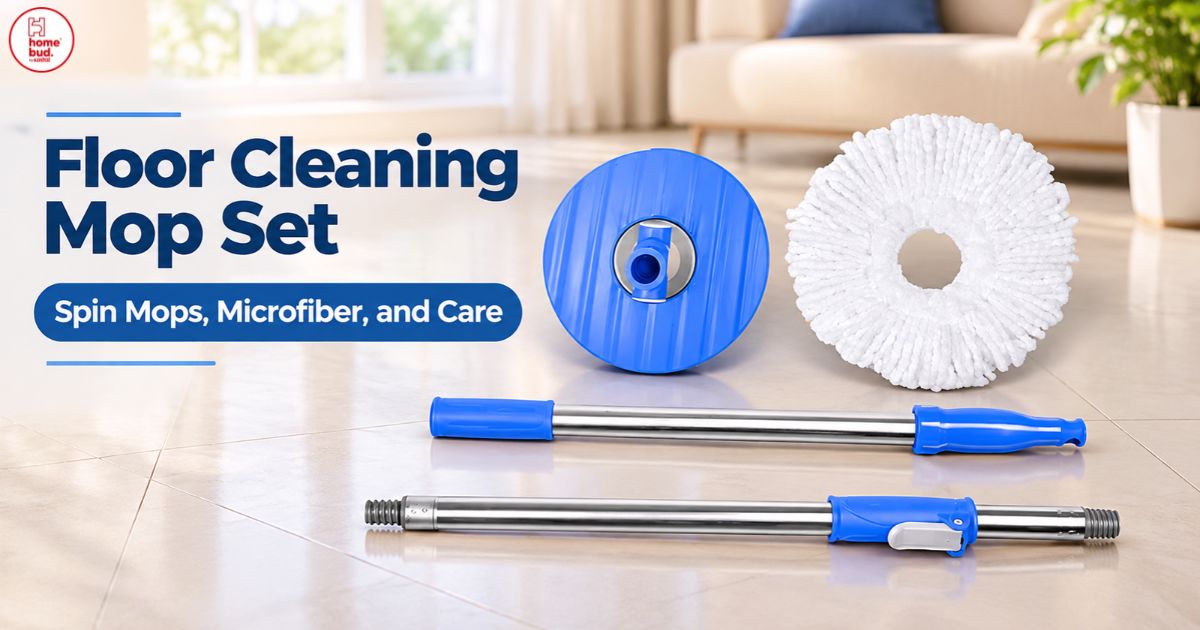
Most people replace a mop long before they need to, usually because the handle wobbled loose or the head stopped picking up dirt properly, not because the mop itself wore out. A floor cleaning mop set built around a few specific details, starting with the head and the handle, tends to outlast the ones bought on looks alone.
What separates a good set from a basic mop
A floor cleaning mop set usually bundles a mop head together with a handle, and sometimes a spare refill on top of that. Each piece fails differently, which is why judging the whole set matters more than judging any one part in isolation. A sturdy handle attached to a cheap, fast-wearing head still leaves a household buying replacement heads every few weeks, while a great head on a wobbly handle makes every pass across the floor feel unstable.
A flexible, swiveling mop head reaches under furniture and into corners that a rigid head simply can’t access, which matters more than most buyers expect until they’ve actually tried mopping around a sofa leg or a kitchen cabinet base. Pairing that swivel action with a microfiber head, which lifts dust and absorbs dirt more effectively than older cotton strand designs, covers most of what a typical household floor actually needs.
Why the handle matters as much as the head
A stainless steel handle holds up to daily pressure and repeated wringing far better than a plastic one, which tends to flex and eventually crack at the joint under the same routine use. This matters most in households mopping multiple times a week, where a plastic handle’s lifespan shortens noticeably compared to steel.
A handle lock system, which keeps the handle sections firmly connected during use, solves a specific annoyance: handle sections that slowly work themselves loose mid-mop, forcing a pause to twist them back together. The Turrbo Spin MOP Accessories Kit combines a stainless steel handle with exactly this kind of lock system, alongside a microfiber swivel head, which covers both of the failure points that usually send people shopping for a replacement set.
Getting the most out of the microfiber head
Washing between uses
Rinsing the mop head after each use removes built-up dirt and residue before it has a chance to set into the fibers, which keeps the head performing closer to new for longer. A head left damp and unrinsed in a bucket or closet tends to develop odor and mildew far faster than one properly rinsed and dried after each session.
How often to replace the head
Microfiber mop heads generally hold up well to repeated washing, but most manufacturer guidance recommends replacing the head every three months regardless of how clean it still looks, since mold and bacteria can work into the fiber structure in ways a simple wash doesn’t fully clear. A simple habit, changing the head with the change of season, keeps this on a schedule nobody has to actively remember.
Drying and storage
Letting the mop head air dry fully in a ventilated spot before storing it prevents the kind of lingering dampness that shortens fiber life and causes musty odors. A mop stored head-up, rather than left standing in a bucket, dries faster and avoids the fibers sitting in trapped moisture against a hard surface.
Matching a mop set to different floor types
A floor cleaning mop set with a soft microfiber head suits hardwood and laminate floors well, since it picks up dust and light grime without the abrasiveness some rougher materials introduce on finished surfaces. Tile and stone floors tolerate a slightly more aggressive head, though a microfiber swivel design still handles both surface types without needing a separate mop for each room.
Spot-testing on a small, inconspicuous area before a full cleaning pass is worth doing on any new floor finish, since sealants and coatings vary enough that a mop and cleaning solution combination safe on one floor isn’t automatically safe on another.
Common mistakes people make with a mop set
Buying based on the handle’s look or the head’s color, without checking the lock mechanism or the head material, is the most common mistake, and it’s usually the one that shows up first as a loose, wobbly handle within weeks of regular use. A second common mistake is skipping the mop head replacement schedule entirely, washing the same head for a year or more and wondering why floors stop looking as clean as they used to.
A third mistake worth flagging: using a single mop head across every room in the house without rinsing thoroughly in between, the kitchen floor one minute and the entryway the next.
A fourth mistake, easy to overlook when a set arrives looking fine out of the box, is skipping a quick check on the handle joints and the head attachment before the first use. A loose fitting straight out of the packaging is rare but not unheard of, and catching it during setup, rather than mid-clean a week later, makes raising a return or replacement request far simpler while the product is still clearly unused.
Pairing a mop with the rest of a cleaning routine
A mop handles floors, but a complete cleaning routine usually needs a broom for loose debris before mopping even starts, since pushing a wet mop head through dry dust and crumbs just turns them into a paste that sticks to the floor instead of lifting off it. A wiper handles glass, counters, and bathroom surfaces that a mop head isn't suited for at all. Keeping these tools stored together rather than scattered across different cupboards makes it far more likely that a quick clean actually happens on a busy day instead of getting postponed to the weekend.
Frequently asked questions
Start with the head material, usually microfiber for most households, then check the handle. Stainless steel holds up better than plastic over time, and a handle lock system that keeps the sections firmly connected during use matters just as much as what the handle is made from. A set covering both ends tends to last far longer than one bought on appearance alone.
Most guidance recommends replacing a microfiber mop head roughly every three months, even if it still looks clean, since washing alone doesn't fully clear mold or bacteria that can work into the fiber structure over time. Tying the replacement to the change of season makes it easier to remember.
It's better not to, at least without thoroughly rinsing between rooms. Moving straight from a bathroom floor to a living room carpet edge without rinsing the head in between transfers grime from the dirtiest area to every other floor the mop touches next.
This usually points to a missing or weak handle lock mechanism rather than anything wrong with the mop head. A proper lock system keeps handle sections firmly connected during use, which prevents the twisting and readjusting that a loose handle forces mid-clean.
For most households, yes. A flexible, swiveling head reaches under furniture and into corners that a rigid head can't access without moving furniture out of the way first, which saves real time during a regular cleaning routine.
Store it head-up rather than leaving it standing in a bucket, and let the head air dry fully in a ventilated spot first. This prevents the lingering dampness that shortens fiber life and tends to cause musty odors over time.
A broom for sweeping up loose debris before mopping starts, and a wiper for glass and bathroom surfaces a mop head isn't designed for, round out a basic cleaning routine. Keeping these stored together makes a quick clean more likely to actually happen on a busy day rather than getting pushed to tomorrow.