
The Complete Guide to Choosing the Best Wiper for Floor Cleaning
-
Posted by
homebud
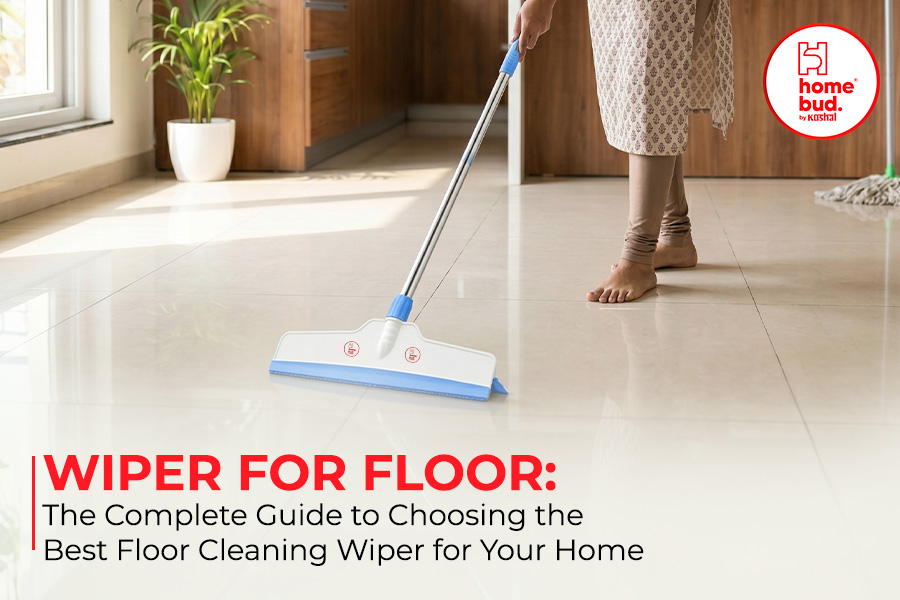
If you have ever mopped your bathroom floor only to find puddles still sitting in the corners, or wiped your kitchen tiles and still ended up with streaks, the problem is probably not your effort. It is your tool. A good wiper for floor cleaning is one of those everyday household items that most people do not think twice about, yet it makes an enormous difference in how clean and dry your floors actually get.
Whether you are a homemaker managing a busy household, a young professional living alone, or someone who simply wants a cleaner home without spending hours scrubbing, this guide is for you. We are going to break down everything you need to know about floor wipers, from the types and materials to room-specific recommendations and how to pick the right one for your floor type. Think of this as advice straight from a professional cleaner who has spent years figuring out what actually works.
What Is a Floor Wiper and Why Every Home Needs One
A floor wiper is a flat cleaning tool with a blade, usually made of rubber or silicone, attached to a long handle. You push or pull it across a wet floor to collect water, dust, and debris and guide it toward a drain or corner. It is also known as a floor squeegee, water wiper, bathroom wiper, or pocha stick in many Indian households.
While a mop soaks up water, a floor wiper actively pushes and channels it. This makes it far more effective at drying wet floors quickly after mopping, bathing, or cleaning. It also does a great job of collecting pet hair, fine dust, and loose dirt from smooth surfaces. Every home in India, where bathrooms and kitchens tend to see a lot of water exposure, benefits from having at least one quality floor cleaning wiper.
The difference between a mediocre floor wiper and a great one comes down to blade material, handle quality, size, and how well it fits your specific floor type.
Understanding the Different Types of Floor Wipers
Not all floor wipers are built the same. Knowing the types helps you pick the one that will serve your home best instead of just grabbing whatever looks decent at the store.
Rubber Blade Floor Wiper
The rubber blade wiper is the most common and widely used type in Indian homes. It features a firm rubber blade that grips the floor surface and pushes water effectively. Rubber is dense and strong, which makes it excellent for high-traffic wet areas like bathrooms, kitchens, and balconies. It handles standing water efficiently, leaves minimal residue, and lasts a long time when maintained properly.
The rubber wiper for floor cleaning works best on tiled surfaces with grout lines because the rubber blade conforms slightly to small uneven areas. If your bathroom has floor-to-drain slope, a rubber blade wiper will channel water toward the drain faster than almost any other type.
Silicone Blade Floor Wiper
Silicone wipers are the newer generation of floor cleaning tools, and they are quickly becoming a favourite in modern homes. The silicone blade is softer and more flexible than rubber, which means it creates a tighter seal against the floor surface. This results in streak-free cleaning that looks almost polished after you are done.
Silicone is naturally resistant to bacteria, does not absorb odours, and holds up well against cleaning chemicals. It is gentler on delicate floor surfaces like marble and vitrified tiles, making it the better choice if you have premium flooring you want to protect. A silicone floor wiper with a stainless steel rod handle is considered the premium option by most professional cleaners.
Foam Blade Floor Wiper
Foam wipers have a sponge-like blade that absorbs water as it pushes it. This makes them effective for light water spills and dusty floors, but they are not the best choice for large wet areas like bathrooms. The foam blade can become a breeding ground for bacteria if not dried properly, and it tends to wear out faster than rubber or silicone.
That said, foam wipers are lightweight, inexpensive, and gentle enough for wooden floors or surfaces that cannot tolerate hard blade pressure.
Double Blade Floor Wiper
The double blade wiper has two parallel blades, usually rubber, that trap and push water between them as you glide the tool across the floor. This design covers more area per stroke and is particularly effective for large rooms or open floor plans. If you have a big kitchen or a spacious living room that tends to get wet, a double blade wiper for floor cleaning saves you time and effort.
Rotating and Swivel Head Floor Wiper
A rotating or 180-degree swivel head wiper is designed for flexibility. The head pivots as you push it, allowing you to clean along walls, into corners, and under furniture without awkward repositioning. This type is ideal for homes with complex floor layouts or for older adults who need to clean without bending or straining.
Blade Material Comparison: Rubber vs Silicone vs Foam
Choosing the right blade material is the single most important decision when buying a wiper for floor cleaning. Here is a clear breakdown to help you decide.
Rubber blades are firm, durable, and excellent at pushing water. They work on all tile types and are the go-to choice for bathrooms with wet floors. They are affordable, widely available, and can handle daily use without losing their shape. The downside is that rubber can degrade over time when exposed to harsh chemicals or direct sunlight, and some rubber types may leave a faint rubber smell initially.
Silicone blades are softer, more flexible, and gentler on floors. They produce a cleaner, streak-free finish and are naturally resistant to bacteria and odours. Silicone is the better choice for marble, polished stone, or vitrified tile floors where scratching is a concern. Silicone blades also tend to last longer than rubber because they do not crack or harden with temperature changes.
Foam blades are lightweight and soft, making them suitable for surfaces like wood or laminate that need a gentler touch. However, foam absorbs water rather than pushing it efficiently, which means it needs to be wrung out frequently. It is also the least hygienic of the three if not dried between uses.
For most Indian homes with tiled bathrooms and kitchens, a rubber wiper for floor cleaning is the most practical daily-use tool. If you have premium flooring like Italian marble or polished vitrified tiles, investing in a silicone blade wiper is well worth it.
Handle Materials and Why They Matter More Than You Think
The blade does the cleaning work, but the handle determines how comfortably and effectively you can use the wiper. A poor handle leads to a sore back and an uneven cleaning job.
Stainless steel rod handles are the gold standard. They are rust-resistant, sturdy, and do not bend under pressure. A stainless steel rod on your floor wiper means it will survive years of daily use in humid bathroom environments without corroding or weakening. This is the handle type recommended by professional cleaners.
Aluminium handles are lightweight and rust-resistant as well. They are slightly less durable than stainless steel but significantly lighter, which makes them comfortable for extended cleaning sessions. Good for those who clean large areas regularly.
Plastic handles are the most affordable option and work fine for light use. However, they can crack over time, especially in areas exposed to strong cleaning chemicals or extreme temperature changes. Plastic handles also tend to feel less stable when applying pressure during cleaning.
Extendable handles are a game-changer for anyone who does not want to bend while wiping the floor. Many modern floor wipers come with telescopic poles that adjust from around 90 cm to 130 cm or more, allowing you to wipe large areas without straining your back. If you are tall or have back issues, an extendable stainless steel handle is a must-have feature.
Room-by-Room Guide: Which Wiper for Floor Works Best Where
Different rooms in your home have different cleaning needs. A one-size-fits-all approach leads to frustration and mediocre results. Here is how to match your floor wiper to each room.
Bathroom Floor Wiper
Bathrooms are the primary use case for a floor wiper in Indian homes. After a shower, the floor is completely wet and needs to be dried quickly to prevent slipping and mold growth. For bathrooms, you need a rubber wiper for wet floor situations, with a blade width of 30 to 45 cm to cover the floor efficiently in just a few passes.
Look for a wiper with a firm rubber blade and a stainless steel rod that can handle daily moisture exposure without rusting. A compact handle of around 90 to 100 cm works well in smaller bathroom spaces. If your bathroom has a corner drain, a single flat rubber blade wiper will help you push water directly to it.
Kitchen Floor Wiper
Kitchen floors deal with a mix of water, cooking oil splatter, food debris, and cleaning solution residue. A rubber blade wiper works well here, but you may want a slightly wider blade, around 45 to 55 cm, to cover the kitchen floor quickly. Some homemakers prefer a double blade wiper in the kitchen for better debris collection.
After mopping the kitchen, use your floor cleaning wiper to push the excess water toward the drain or door. This prevents the soapy residue from sitting on the tiles and causing a slippery surface.
Living Room and Bedroom Floor Wiper
Living room and bedroom floors in Indian homes are often marble, vitrified tile, or polished stone. These surfaces are beautiful but show streaks very easily. For these areas, a silicone blade wiper is the right choice. The softer silicone blade will not scratch the polished surface, and it leaves a clean, streak-free finish that makes the floor shine.
A wider blade of 50 to 60 cm works well in larger rooms, allowing you to cover more floor area per pass. Pair it with an extendable handle so you can cover the room without repeatedly bending down.
Balcony Floor Wiper
Balconies accumulate rainwater, dust, and bird droppings. A heavy-duty rubber wiper with a wide blade is ideal here. Look for one that can push gritty debris along with water, as balcony floors tend to collect more coarse particles than indoor rooms. A long handle is helpful for balconies where you may be leaning over a railing to reach the far edges.
Floor Type Guide: Matching Your Wiper to Your Floor Surface
Your floor type plays a huge role in which wiper will perform best. Using the wrong blade on the wrong floor leads to scratches, streaks, and frustrated cleaning sessions.
Ceramic and porcelain tiles are the most common floor type in Indian homes. These surfaces work well with both rubber and silicone blades. Rubber is more affordable and does the job well for daily bathroom and kitchen use. Silicone is better if you want a polished finish.
Marble floors need gentle handling. Marble is a porous stone that can scratch easily and stain with chemical residue. Always use a silicone blade wiper on marble floors. The soft blade will not scratch the surface, and it cleans without leaving behind any rubber particles or smears.
Vitrified tiles are extremely smooth and show every streak and water mark. A silicone blade wiper produces the cleanest results on vitrified tiles. After wiping, the floor dries to a clean, almost glass-like finish with no visible marks.
Mosaic and textured tiles have uneven surfaces with small gaps between pieces. A firm rubber blade works better here because it can apply pressure into the small grout lines and push water out effectively. A soft silicone blade may glide over the surface without getting into the texture.
Wooden floors and laminates require the gentlest approach. Use a foam blade wiper or a very soft silicone wiper, and never use excessive water on wooden floors. These surfaces are sensitive to moisture and can warp or swell with prolonged water contact. Wipe quickly and dry the surface immediately.
Key Features to Look For When Buying a Floor Wiper
Walking into a store or browsing online for a floor wiper can be overwhelming with the sheer number of options. Here are the features that actually matter and what to look for in each.
Blade width determines how quickly you can clean a given area. For small bathrooms, a 30 to 40 cm blade is sufficient. For kitchens and larger rooms, opt for 45 to 60 cm. For balconies or open areas, a wider blade of 60 cm or more saves considerable time.
Handle length affects your comfort during cleaning. A handle that is too short forces you to bend, which is tiring and hard on your back. Look for handles between 100 and 130 cm for comfortable upright cleaning. Extendable handles give you the flexibility to adjust based on the task.
Blade flexibility matters because a blade that is too rigid will not adapt to slight floor imperfections, leaving behind water in uneven spots. A blade with a slight flex is ideal for most home floors.
Weight is often overlooked. A wiper that is too heavy becomes uncomfortable to use over a large area. Aluminium and plastic handles keep the total weight low. If you plan to use it every day, lighter is better.
Blade replacement availability is a practical concern. Blades wear out and need replacement. Before buying a wiper, check if replacement blades are available separately for that model. This saves you from buying an entire new wiper every few months.
Common Mistakes People Make When Using a Floor Wiper
Even with the right tool, technique matters. Here are the most common mistakes and how to avoid them.
Many people push the wiper in random directions across the floor, which just moves water around without clearing it. The correct technique is to always work in one direction, pushing the water toward the drain or a corner. Use overlapping strokes and start from the farthest point and work toward the exit.
Another common mistake is pressing too hard. Pressing down aggressively does not clean better. It actually reduces the blade’s contact with the floor and creates gaps where water slips under the blade. Use firm but steady pressure and let the blade do the work.
Using a floor wiper on a dry, dusty floor is also a common error. Before wiping, always sweep or vacuum loose debris. Running a rubber blade over gritty dust can scratch the floor surface and also wear the blade faster.
Not cleaning the wiper blade after use is a hygiene issue that many households overlook. Rinse the blade under running water after each use, wipe it dry, and store it standing upright or hanging so the blade does not rest on a surface and deform.
How to Clean and Maintain Your Floor Wiper for Long Life
A good floor wiper, properly maintained, can last for years. Here is how to take care of yours.
After every use, rinse the rubber or silicone blade thoroughly under clean water to remove soap residue, dirt, and cleaning solution. If you use strong floor cleaners, these chemicals can degrade rubber over time, so rinsing is especially important.
Every week, give the wiper blade a more thorough clean. Use a mild liquid soap and a soft cloth to wipe both sides of the blade. Rinse completely and allow it to air dry before storing.
Check the blade every month for signs of wear. Look for cracks, chips, hardening, or a blade that has lost its edge shape. A damaged blade will not seal properly against the floor and will leave water behind. If the blade shows wear, replace it rather than continuing to use an ineffective wiper.
Store your floor wiper in a dry, ventilated area. Hanging it on a hook or wall mount is the best option because it keeps the blade off the floor and allows air to circulate around it. Avoid tossing it in a dark cabinet where moisture can build up and lead to mold on the blade or handle.
Best Practices for Streak-Free Floor Cleaning
Achieving a streak-free finish on your floors is a combination of the right wiper and the right method. Here is what professional cleaners do to get floors looking spotless.
Always mop the floor first and then use the wiper to collect and push out the excess water. Do not skip mopping and only use the wiper, as the wiper alone cannot remove embedded dirt from grout lines or textured surfaces.
After mopping, give the floor cleaning solution about 30 seconds to work before you start wiping. This allows the detergent to loosen any remaining residue, making it easier to collect with the wiper.
Use slow, deliberate strokes rather than fast back-and-forth movements. Speed causes the water to splash under the blade and spread rather than collect. Slow strokes allow the blade to form a proper seal and push water cleanly across the floor.
For the final pass on vitrified tiles or marble, use a barely damp wiper blade rather than a soaking wet one. The light moisture on the blade helps pick up any remaining dust or faint marks and leaves the surface looking clean and dry.
FAQ: Wiper for Floor
A mop absorbs water and dirt using a cloth, sponge, or microfiber head. A floor wiper pushes water using a firm blade. Both serve different purposes and work best together. You mop to clean the floor and then wipe to dry it and remove residual water.
For standard ceramic tile bathrooms with a floor drain, rubber is the better everyday choice because of its firm grip and ability to push standing water efficiently. Silicone is better if your bathroom has polished or delicate tiles where scratch prevention matters.
You can use the same wiper across rooms if the blade material suits the floor surfaces in each room. However, many households prefer keeping a dedicated wiper for the bathroom for hygiene reasons and a separate one for the kitchen and living areas.
Under daily use, most rubber blades should be replaced every 6 to 9 months. Silicone blades last longer and can often go 12 months or more before needing replacement. Replace the blade whenever you notice it is not clearing water cleanly or has visible cracks or deformation.
For a bathroom of standard Indian size, a blade width of 30 to 40 cm is ideal. This size allows you to maneuver easily in a compact space while still clearing the floor efficiently in a few passes.
Absolutely. An extendable stainless steel handle is one of the best features you can have in a floor wiper. It eliminates back strain during daily cleaning, allows you to clean under furniture with ease, and makes the same wiper suitable for different room sizes. It is worth the slightly higher price.
Final Thoughts: Choosing the Right Wiper for Your Floor
Picking the right wiper for floor cleaning comes down to knowing your floors, your home layout, and your daily cleaning routine. For most Indian homes with tiled bathrooms and kitchens, a rubber blade wiper with a stainless steel rod handle covers all your daily needs. If you have marble or vitrified tile flooring in your living areas, a silicone blade wiper delivers the streak-free results those surfaces deserve.
Invest in a wiper with the right blade width for the rooms you use it in, a handle that lets you clean comfortably without bending, and a blade material that matches your floor type. Take care of it with regular rinsing and proper storage, and your floor wiper will serve your home reliably for years.
A clean, dry floor is more than just visually satisfying. It is safer, more hygienic, and a reflection of a well-managed home. The right floor cleaning wiper makes that possible with minimal effort every single day.
Ready to upgrade your floor cleaning routine? Explore Homebud’s range of quality cleaning tools at homebud.in/product-category/broom/ and find the perfect floor wiper for your home today.