Hockey Brush for Bathroom Cleaning A Practical Guide to Scrubbing Floors and Tiles
-
Posted by
homebud
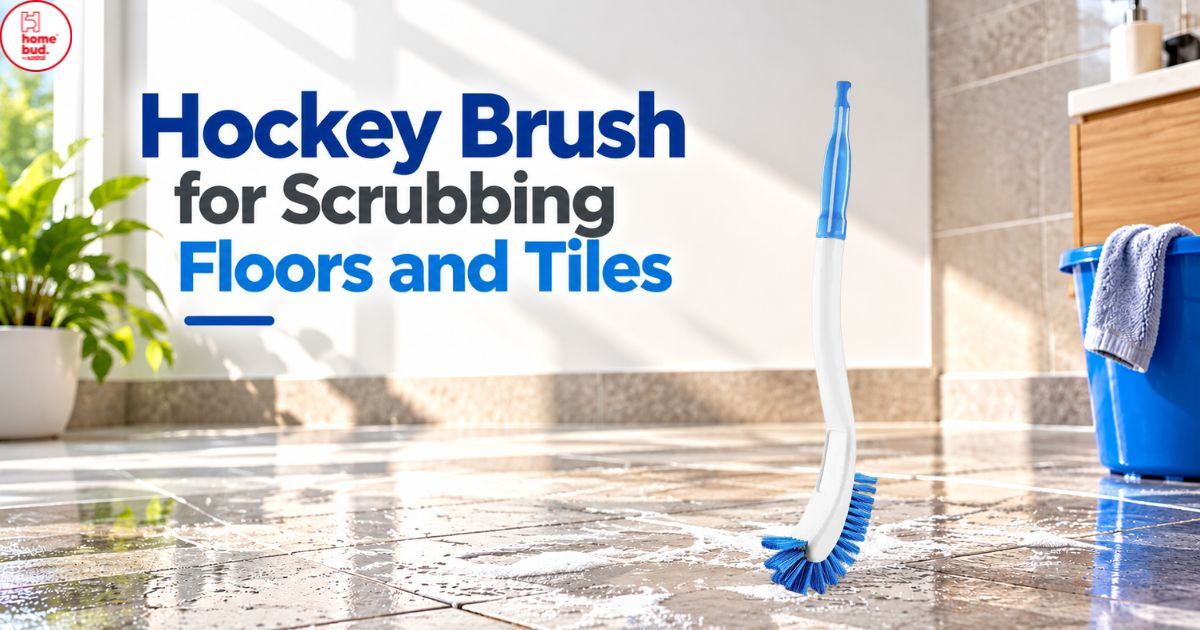
Keeping bathroom floors, tiles, and toilet surfaces clean can be challenging, especially when dirt, soap residue, and stubborn stains accumulate over time. Regular cleaning tools may remove loose dirt but struggle to reach corners, tile joints, and curved surfaces.
A hockey brush is a practical cleaning tool designed with an angled brush head that helps reach difficult areas. Its strong bristles provide scrubbing action, while its handle allows users to clean bathroom surfaces with better control.
Whether you need a bathroom cleaning brush for regular maintenance or a suitable floor scrubbing brush for tough dirt, understanding the features of different brushes can help you choose the right option.
What Is a Hockey Brush Used for in Cleaning?
A hockey brush is a cleaning brush featuring an angled head resembling the curved end of a hockey stick.
This design helps the bristles reach corners, edges, and curved surfaces that may be difficult to clean with a conventional straight brush.
Hockey-style brushes are commonly available in different constructions, including brushes intended for toilet cleaning and models designed for suitable floor surfaces.
A bathroom hockey brush can be useful for:
- Scrubbing toilet bowl interiors
- Cleaning underneath toilet rims
- Reaching corners around bathroom fixtures
- Removing dirt from suitable bathroom surfaces
- Cleaning hard-to-reach edges
- Tackling stubborn deposits with an appropriate cleaner
Some floor-specific models may also be suitable for tile grout and floor scrubbing. Always check the intended application before using a toilet brush on floors.
Why Choose a Hockey Brush for Bathroom Cleaning?
Bathroom cleaning requires tools that can reach difficult surfaces and remove accumulated dirt effectively.
Here are some important advantages of using a hockey-style brush.
1. Angled Design for Better Reach
The angled head is one of the most useful features of a hockey brush.
Traditional brushes may struggle to reach narrow spaces or the underside of toilet rims.
A hockey-shaped head allows the bristles to contact these areas more directly.
This makes it practical for cleaning around curves and edges.
2. Strong Bristles for Effective Scrubbing
Bathroom surfaces often accumulate soap residue, dirt, and mineral deposits.
A brush with suitably stiff bristles provides friction that helps loosen these deposits when combined with the correct cleaning solution.
The bristles should be strong enough to scrub effectively without damaging the surface.
3. Convenient Handle Design
A well-designed handle makes cleaning more comfortable.
It allows users to apply controlled pressure while maintaining a suitable distance from the surface being cleaned.
An ergonomic grip may also reduce slipping during wet cleaning.
4. Suitable for Regular Bathroom Maintenance
Bathroom cleaning is easier when dirt is removed before it becomes heavily accumulated.
A durable hockey brush can be included in a regular cleaning routine for toilet bowls and other surfaces approved by the manufacturer.
5. Helps Clean Difficult Corners
Corners and narrow spaces are common areas where dirt collects.
The angled head of a hockey brush helps reach these spots more effectively than some straight-head brush designs.
This makes the brush a useful addition to a bathroom cleaning kit.
Hockey Brush vs Regular Scrubbing Brush
Both hockey brushes and regular scrubbing brushes are useful cleaning tools.
However, their designs support different applications.
|
Feature |
Hockey Brush |
Regular Scrubbing Brush |
|
Brush head |
Angled or curved |
Usually straight or rectangular |
|
Main strength |
Reaching curves and corners |
Scrubbing flat surfaces |
|
Toilet rim cleaning |
Suitable with toilet-specific design |
Depends on brush shape |
|
Floor cleaning |
Only with suitable floor-rated models |
Common application |
|
Handle |
Often elongated |
Short or long |
|
Best use |
Difficult bathroom areas |
Accessible flat surfaces |
When Should You Use a Hockey Brush?
A hockey brush is useful when cleaning surfaces that require angled access.
This includes toilet bowl curves, under-rim sections, and difficult bathroom corners.
When Is a Regular Floor Brush Better?
A conventional floor scrubbing brush may be more efficient for cleaning large flat areas.
Its broader cleaning head can cover more surface area during regular floor scrubbing.
For complete bathroom maintenance, separate brushes for toilet cleaning and floor cleaning are recommended.
Can You Use a Hockey Brush for Bathroom Floor Tiles?
Certain hockey-style brushes are designed for bathroom floors and tiles, while others are intended specifically for toilets.
Before using a hockey brush on flooring, check the product’s recommended applications.
A floor-rated brush with suitable bristles can help loosen dirt from textured tiles and some grout lines.
However, toilet brushes should remain dedicated to toilet cleaning to avoid transferring contaminants onto bathroom floors.
Cleaning Ceramic Floor Tiles
Ceramic bathroom tiles often accumulate dust, soap residue, and moisture-related dirt.
A suitable floor scrubbing brush can help remove surface deposits when used with an appropriate tile cleaner.
Avoid excessive pressure on delicate finishes.
Cleaning Tile Grout
Tile grout can collect dirt because of its slightly recessed surface.
A suitable tile scrubbing brush helps loosen deposits from grout lines.
For delicate or damaged grout, use softer bristles and avoid aggressive scrubbing.
Cleaning Bathroom Corners
Bathroom corners and the areas around fixtures can be difficult to reach.
A compact angled brush may help access these spaces more comfortably.
Use a separate floor-cleaning brush rather than a brush previously used inside a toilet bowl.
How to Choose the Best Hockey Brush in India
Selecting a suitable cleaning brush depends on its construction, durability, and intended use.
Check Bristle Strength
Bristle quality affects cleaning performance.
Stiff bristles can help loosen stubborn dirt, while slightly flexible bristles may work better around curved surfaces.
Choose a brush that balances strength and flexibility.
Consider Handle Length
Handle length influences reach and comfort.
A long handle floor brush can be useful for reducing bending when cleaning larger floor areas.
For toilet cleaning, an ergonomic handle with sufficient reach makes it easier to clean under the rim and around the bowl.
Look for Durable Construction
A bathroom brush should be designed to withstand regular contact with water and appropriate cleaning solutions.
Check the quality of the handle connection and bristle attachment.
Loose bristles or an unstable handle can reduce cleaning effectiveness.
Choose According to Surface Type
Different materials require different cleaning tools.
For example:
- Ceramic tiles may tolerate suitable medium-stiff bristles.
- Textured floor tiles may require firmer scrubbing.
- Delicate polished surfaces may need softer cleaning materials.
- Toilet bowls should be cleaned with brushes intended for sanitaryware.
Always follow the surface manufacturer’s care instructions.
Check Ease of Maintenance
A good cleaning brush should be easy to rinse and dry after use.
A suitable storage holder or ventilated cleaning area helps prevent prolonged moisture build up.
How to Use a Hockey Brush for Toilet Cleaning
Using the correct cleaning technique can improve results and help maintain bathroom hygiene.
Step 1: Apply a Suitable Toilet Cleaner
Apply a toilet-cleaning product according to the instructions on its label.
Allow the recommended contact time before scrubbing.
Step 2: Clean Under the Rim
Position the angled brush head beneath the toilet rim.
Move it carefully around the underside to loosen visible deposits.
Step 3: Scrub the Bowl Interior
Work the bristles around the curved interior surfaces.
Use controlled strokes to remove dirt and stains without applying unnecessary force.
Step 4: Focus on Difficult Areas
Pay attention to the bowl curves, drain opening, and other areas where deposits accumulate.
Step 5: Rinse Thoroughly
Flush the toilet and rinse the brush according to the cleaning product's instructions.
Step 6: Dry and Store Properly
Allow excess water to drain before placing the brush in a suitable holder.
Clean the holder regularly and avoid leaving the bristles submerged in dirty water.
Safety tip: Never mix bleach with acidic toilet cleaners or other cleaning chemicals. Such combinations can release dangerous gases.
Why Proper Bathroom Brush Maintenance Matters
A bathroom cleaning brush is exposed to moisture, dirt, and cleaning chemicals.
Regular maintenance helps preserve its effectiveness.
Rinse After Every Use
Rinsing removes loose dirt and cleaning solution from the bristles.
Clean the Storage Holder
Brush holders can collect residual water.
Empty and clean the holder regularly to prevent unpleasant odours and unnecessary moisture buildup.
Allow the Brush to Dry
Avoid storing the brush permanently in standing water.
Where possible, allow the bristles to drain and dry between uses.
Replace Worn Brushes
Over time, bristles can become flattened, bent, or damaged.
Replace the brush when its condition prevents effective cleaning or when it cannot be maintained hygienically.
Keep Toilet and Floor Brushes Separate
Use dedicated brushes for toilet interiors and bathroom flooring.
This helps reduce cross-contamination between different bathroom surfaces.
Why a Hockey Brush Is Useful for Indian Bathrooms
Indian bathrooms often include compact layouts, floor drains, corners, and different sanitaryware designs.
These features can make routine cleaning more demanding.
A hockey-style toilet brush is particularly useful for accessing areas around Indian-style toilets and western commodes.
HomeBud's Spark Clean Hockey Brush is designed with strong bristles and an ergonomic handle for everyday bathroom cleaning.
Its angled cleaning head is intended to reach difficult toilet bowl areas, while its sturdy construction supports repeated scrubbing.
The HomeBud hockey brush category also includes cleaning combinations featuring a floor duster or bathroom wiper for wider bathroom maintenance.
For users looking for a dedicated bathroom cleaning tool, a well-designed angled brush can be a practical addition to their household cleaning supplies.
Explore the hockey brush collection to find a suitable option for routine bathroom cleaning.
Common Mistakes to Avoid When Using a Hockey Brush
Even a durable cleaning brush may deliver poor results when used incorrectly.
Using Excessive Pressure
Applying unnecessary force can damage delicate finishes and wear out bristles more quickly.
Use controlled movements with suitable cleaning products.
Choosing the Wrong Brush
A toilet brush may not be appropriate for polished floors or delicate tiles.
Select a tool designed for the intended surface.
Ignoring Grout Lines
When cleaning floor tiles, pay attention to the grout lines because dirt can collect in these narrow areas.
Use a dedicated grout-safe floor brush.
Not Cleaning the Brush
A dirty brush can spread residue during cleaning.
Rinse and maintain cleaning tools regularly.
Mixing Cleaning Chemicals
Never combine different bathroom cleaners unless the manufacturer explicitly states that it is safe.
Always follow label instructions and maintain adequate ventilation.
Conclusion
A hockey brush is a practical cleaning tool for reaching difficult bathroom areas, including toilet bowl curves, under-rim sections, and narrow corners.
Its angled design, suitable bristles, and comfortable handle can make regular bathroom cleaning more convenient.
When selecting a brush, consider its intended application, material quality, bristle stiffness, and ease of maintenance.
For bathroom floors and tiles, choose a dedicated floor scrubbing brush suited to the surface. For toilet cleaning, an angled hockey brush can provide better access to difficult areas.
With the right tools and a consistent cleaning routine, maintaining a cleaner and more comfortable bathroom becomes easier.
Frequently Asked Questions
A hockey brush is used for cleaning curved surfaces, corners, and hard-to-reach areas. Toilet-specific hockey brushes are particularly useful for cleaning under toilet rims and around bowl interiors.
Some hockey-style brushes are designed for floor and tile cleaning. However, models intended specifically for toilet cleaning should not be used on bathroom floors because of hygiene concerns.
A hockey brush can be more convenient for reaching curved and angled surfaces, while a regular scrubbing brush may be better for broad, flat areas. The right choice depends on the cleaning task.
Durable bristles with an appropriate balance of stiffness and flexibility are useful for bathroom cleaning. The ideal firmness depends on the surface and type of dirt.
Yes. Toilet-specific hockey brushes with angled heads can be used for cleaning suitable areas of both Indian-style and western-style toilet bowls.
Rinse the brush after each use and clean or disinfect it according to the manufacturer's instructions. Regularly clean its holder and allow the brush to drain properly.
Hockey brushes are available through household cleaning retailers and online stores. Compare head design, bristle quality, handle construction, and intended applications before purchasing.